






Residence: "Puppet theatre meets opera and fairy tales"

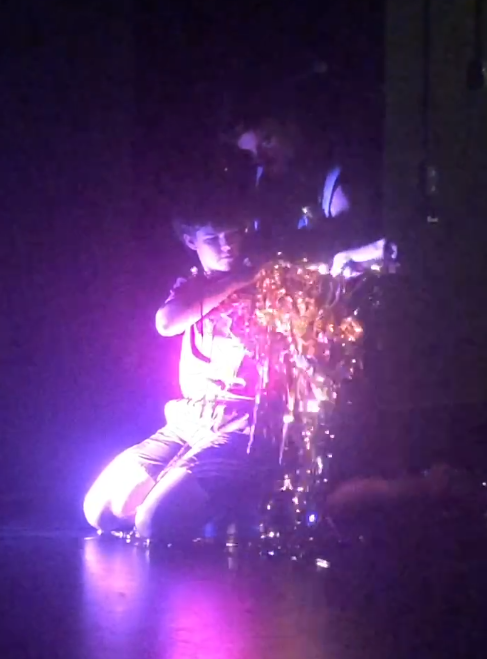
Research residency
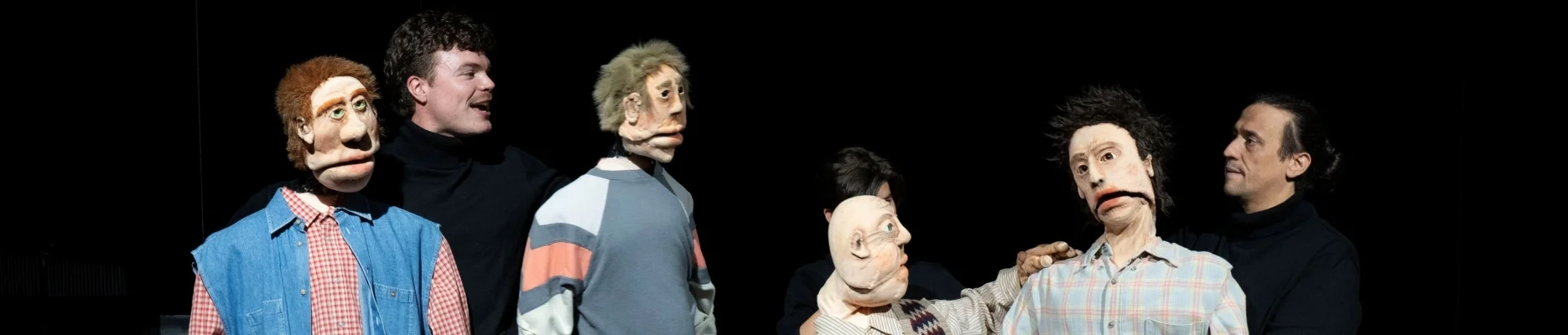
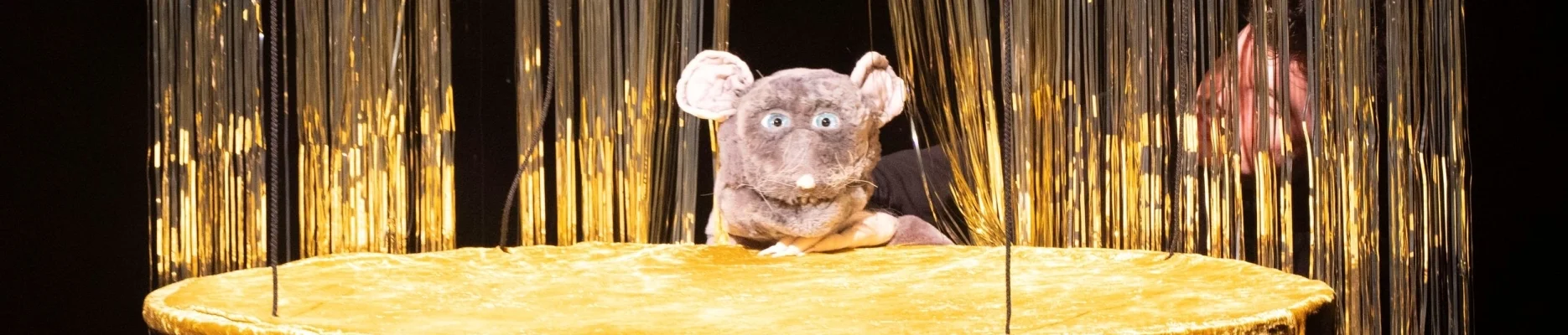
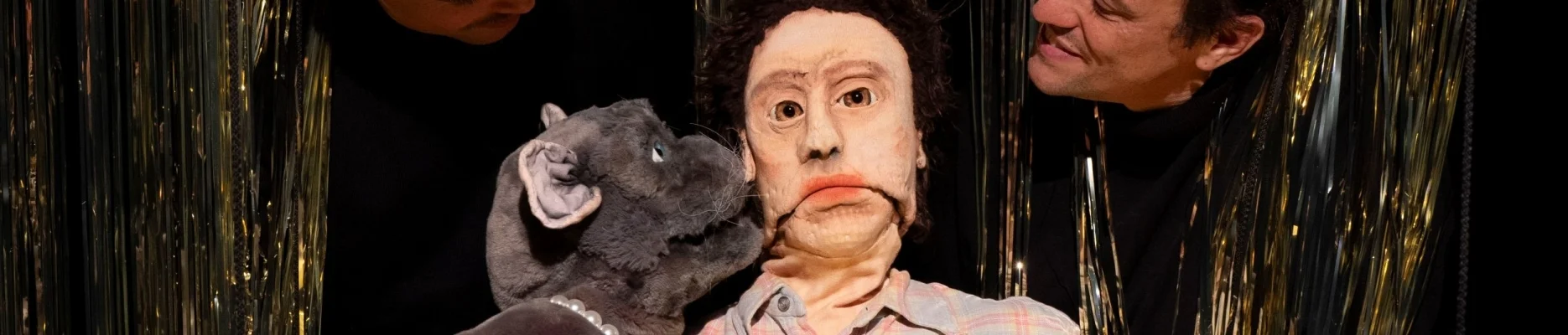
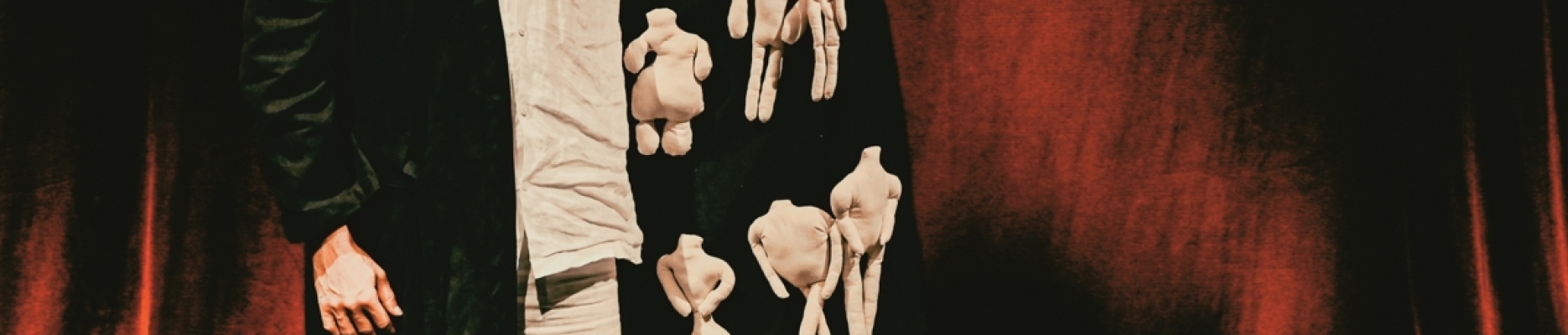
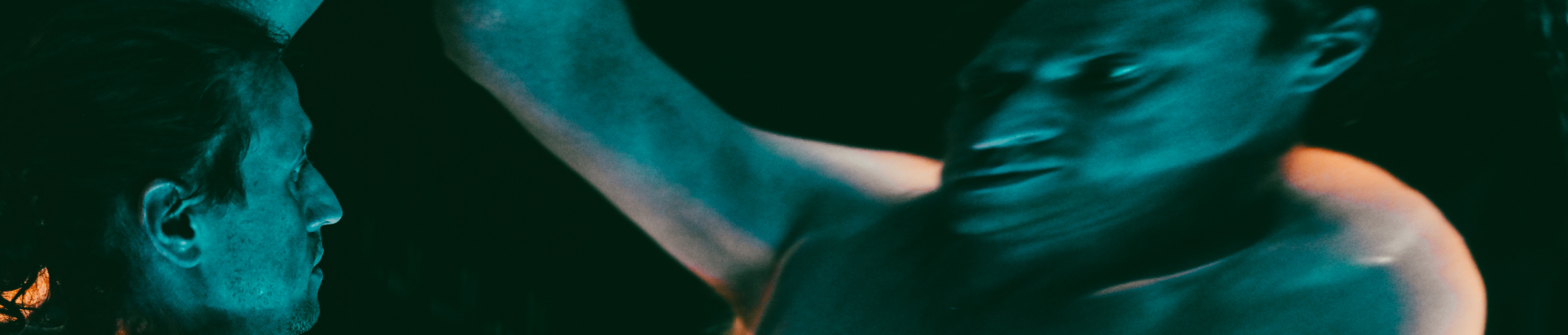
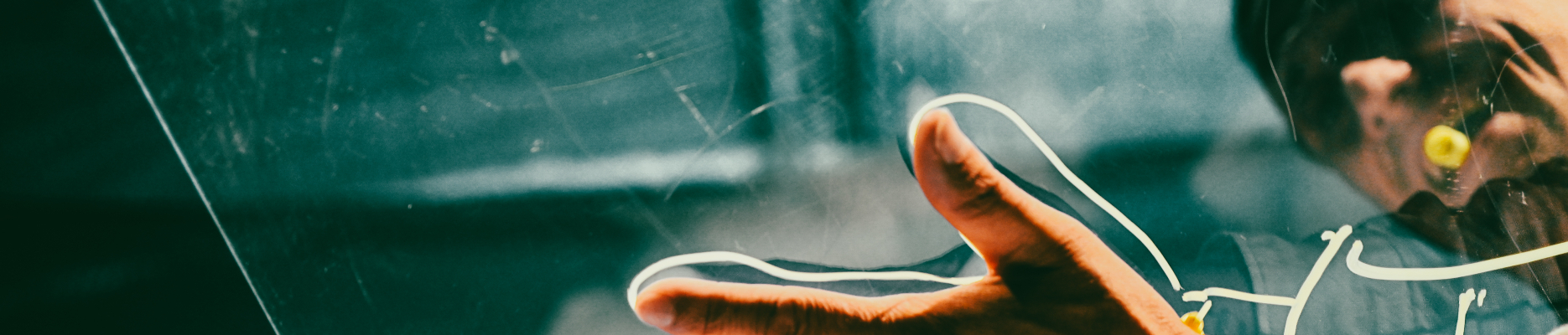
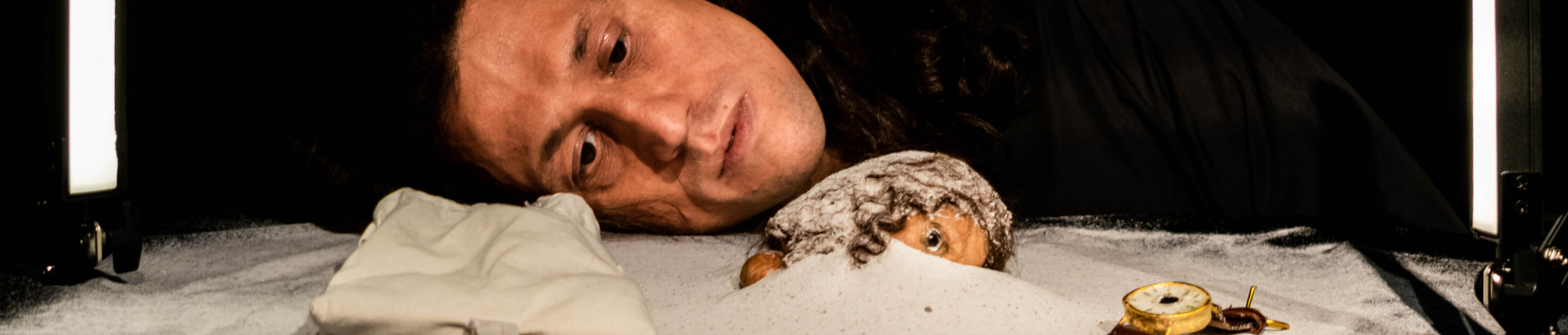
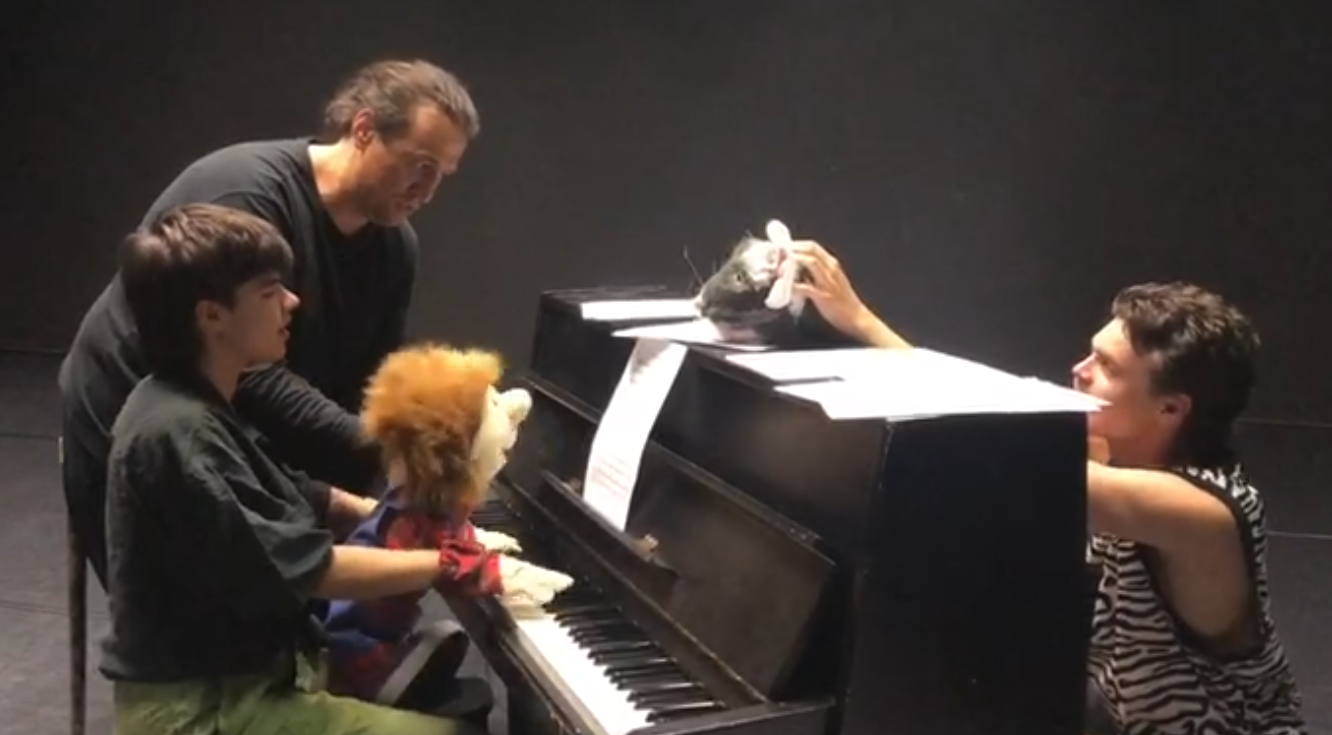
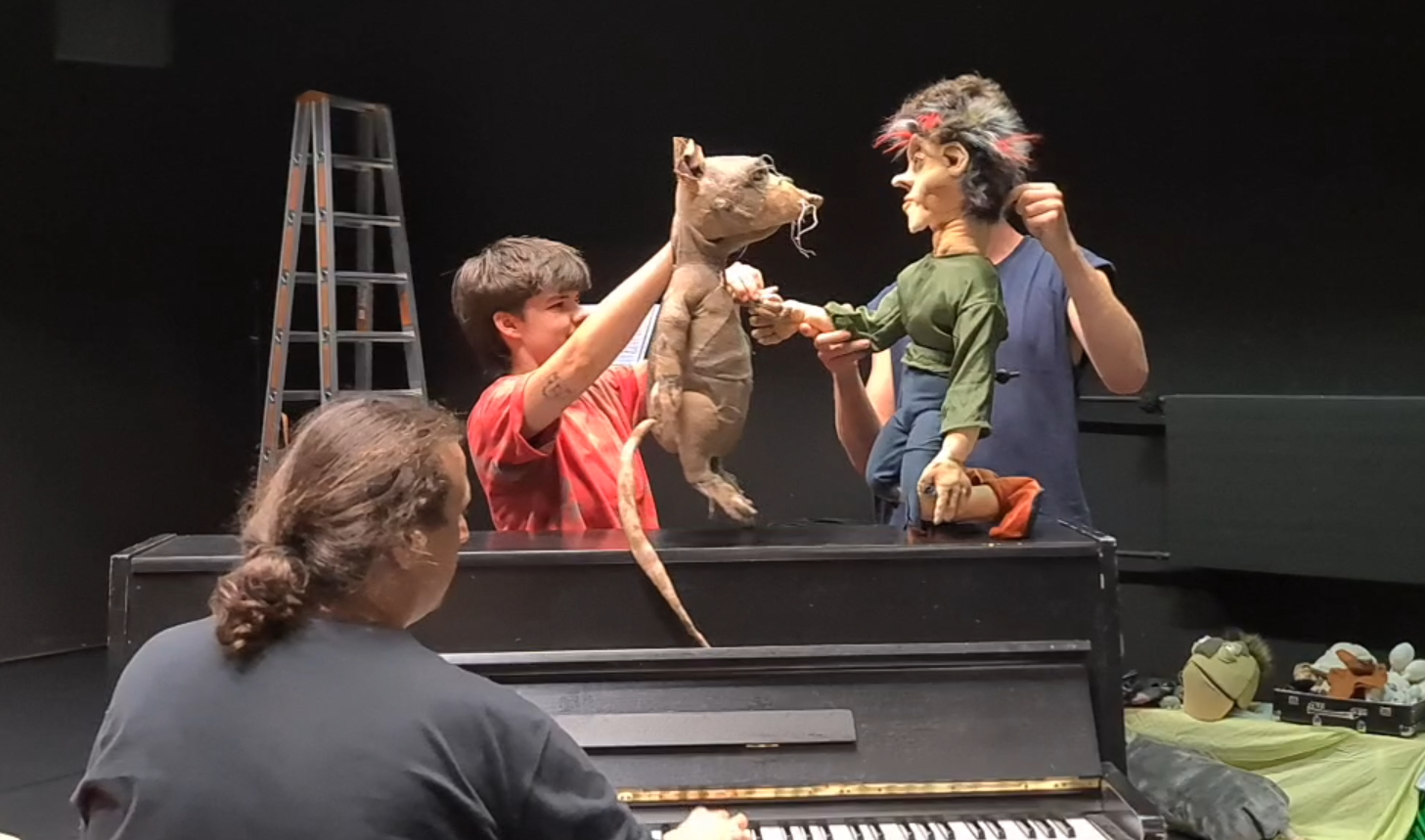
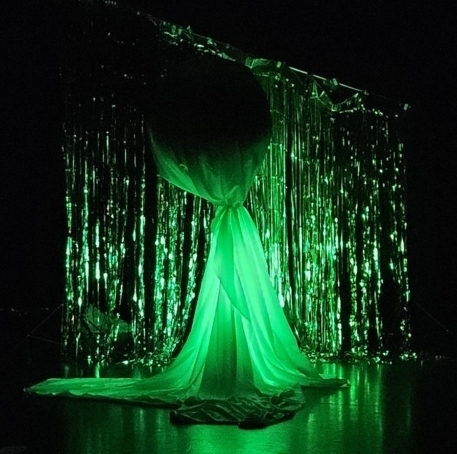
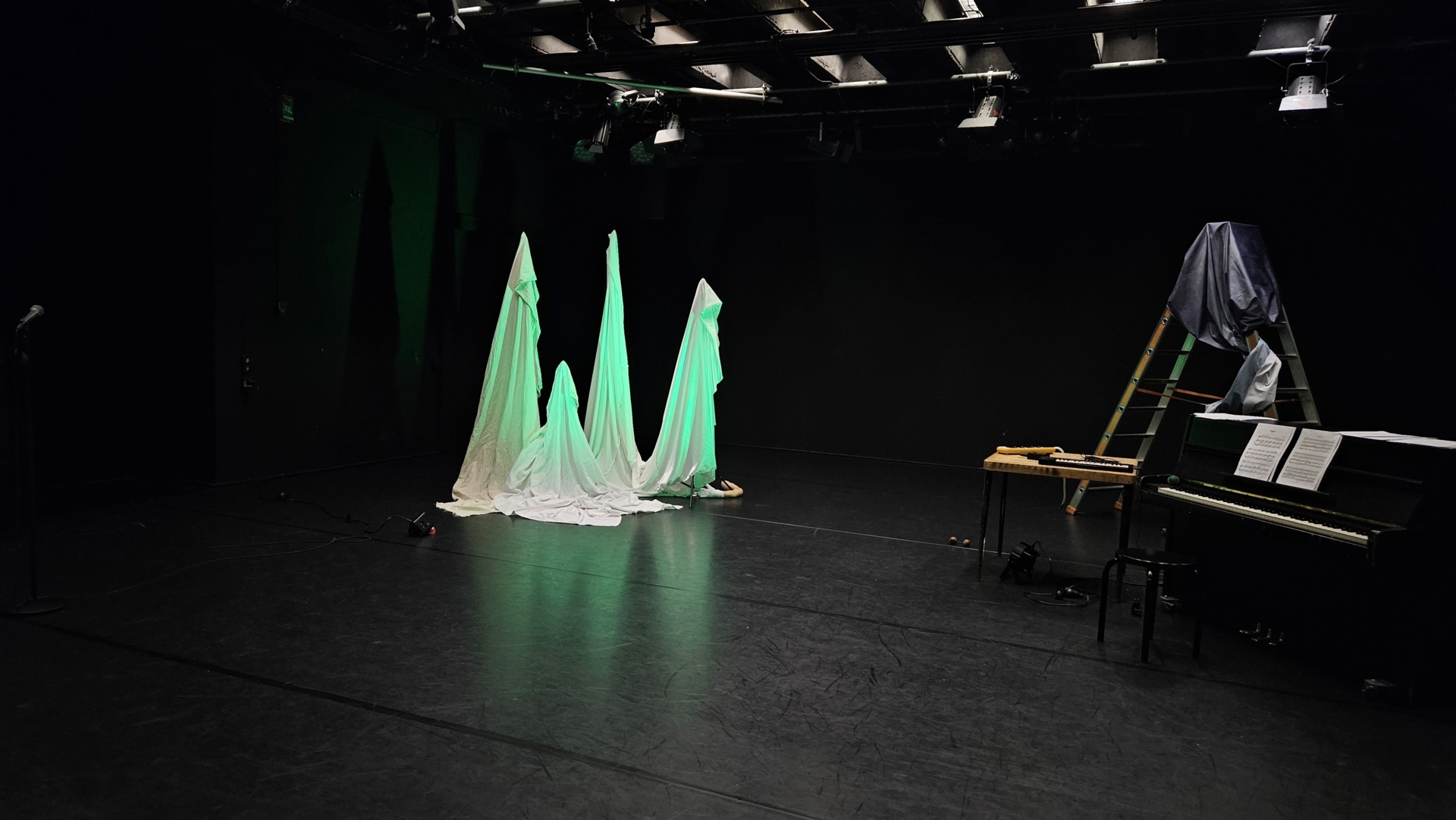
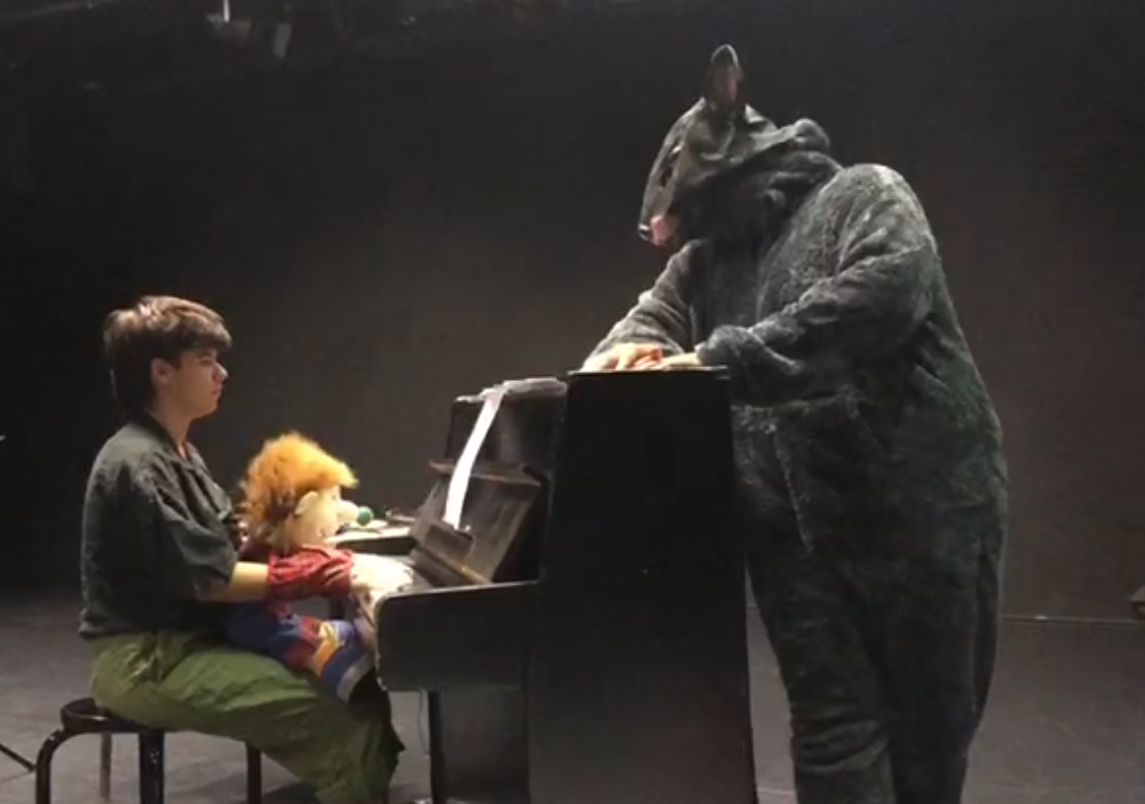
Four different art forms - opera, classical music, puppet theatre and fairy tales - are to merge on stage to form an interdisciplinary unit. We want to explore how we can act in each of the other forms without losing our professionalism. How can a puppet theatre work simultaneously with classical singing or music? By combining opera, classical music, puppet theatre and fairy tales, we are researching an innovative art form that transcends boundaries and opens up new possibilities for artistic expression. Our individual art forms are characterised by traditional role models and stereotypes, which we want to critically question. By analysing the fairy tale ‘The Bride from the Forest - or the Mouse who was a Princess’, we would like to examine the extent to which we can reinterpret the fairy tale. Which elements need to be changed and how can we develop a common aesthetic that supports queer perspectives on stage? Is the fairy tale already queer in its basic structure and how can we tell it as a queer fairy tale with classical music? Do we need new compositions for this or can existing works be used? We also want to explore the question of the representation of queer artists on stage and find a language that authentically reflects their perspectives and identities.
In collaboration with the

funded by the Fonds Darstellende Künste: